St Johns County Court Records provide public case details, filing updates, hearing schedules, and document information through the local court system. The st johns county court handles legal matters such as traffic cases, civil disputes, misdemeanors, and small claims, making public records useful for residents, attorneys, and researchers. Visitors often search st johns county court records to check case numbers, confirm hearing dates, or review filing history. This page helps users locate important court information connected to official records, local legal procedures, and public judicial services managed by the county system.
The local county court supports public record searches through online tools and courthouse services. Users can review case summaries, party names, filing dates, payment details, and calendar updates linked to ongoing matters. Many records remain available through the clerk’s system, helping users save time before visiting the courthouse. Public searches often include traffic tickets, probate matters, landlord disputes, and civil claims. This section gives a clear starting point for court research and explains where users can check legal files, document status, and record information through official county resources.

How to Search St Johns County Court Records
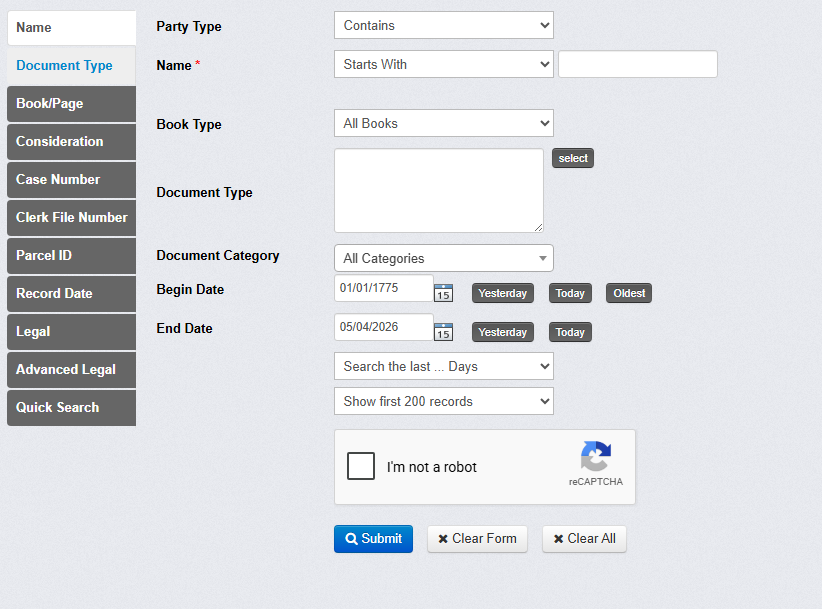
St Johns County court records can be searched through the official Landmark system online or by visiting the courthouse in person. Most users prefer the online method because it provides quick public record results using options like name search, case number lookup, and citation search. The online records search system allows users to view case details, docket entries, filing history, and hearing information in a structured format. The process starts by selecting a search type, then entering the required information such as a party name or case number. After submitting the search, the system displays all matching court records in seconds.
Step Process to Search Records Online
Users can follow a simple step-by-step process to perform an online search through the official Landmark system. Once the link is opened, the homepage shows multiple search categories. Each category is designed for different types of record lookup, so selecting the correct option is important before entering any data. After choosing a search type, the system asks for required details like name, case number, or citation number. Once the correct information is entered, the system processes the request and shows related court records such as case status, filing details, and hearing dates.
Steps to follow:
- Open the official Landmark search page: https://apps.stjohnsclerk.com/Landmark/search/index?theme=.blue§ion=searchCriteriaName&quickSearchSelection=
- Click on the search section to view available options
- Select the required search type (example: Name Search or Case Number Search)
- Enter accurate details like full name, case number, or citation number
- Click the search button to view matching results
Case Number
A case lookup using case number is the fastest and most accurate method for finding court records. Every court case is assigned a unique identification number at the time of filing, which helps directly locate the correct record without confusion or multiple results. When users already have a case number, this method removes the need for name-based search and provides direct access to case details such as filing history, court division, and hearing information.
This method usually shows:
- Case title and parties involved
- Filing date and court division
- Current case status
- Upcoming or past hearing dates
- Docket search entries and updates
Search by Name
A party name search is commonly used when the case number is not available. This method searches public records using a person’s name, business name, or legal party involved in a case. It is widely used for general record checks and background case verification. Since multiple cases may exist for the same name, users should enter accurate spelling and try variations if needed. Adding full names instead of partial entries improves result accuracy and reduces unrelated records. Users should compare filing dates and case types to identify the correct record.
This search may show:
- Civil and criminal case listings
- Family law matters
- Probate or court filings
- Multiple cases linked to the same name
Citation or Ticket Number
A citation lookup is mainly used for traffic-related cases in traffic court, including speeding tickets, parking violations, and other driving offenses. Each ticket contains a unique citation number that directly links to the court record. This method is faster than name search for traffic cases because it pulls exact record details without showing unrelated results.
This search usually displays:
- Traffic violation type
- Fine amount and payment status
- Court date and schedule
- Case progress and updates
In-Person at Courthouse
Some court records may not appear online, especially older files or restricted documents. In such cases, users can visit the courthouse and request assistance from the records office or clerk office. The courthouse provides physical access to records through staff support and public terminals. These terminals allow users to perform the same search functions available online, but with additional assistance if needed. This method is useful when digital search results are incomplete or when certified documents are required.
Available services include:
- Clerk office assistance for record requests
- Public terminal for self-search
- Printed copies of court documents
- Help with locating archived files
What is St Johns County Court Records
St Johns County court records refer to official legal files created during court cases in the county. These St Johns County court records include filings, case details, judgments, and other legal records maintained by the court system. These records act as a structured archive of public records, showing how legal matters move through the court process. They also support transparency in official records handling and case documentation. St Johns County court records are maintained for civil, criminal, family, probate, and traffic matters. They include legal documents, court filings, motions, orders, and case outcomes. Many people refer to these files for case tracking, background checks, and legal verification.
Who can view court records
Different groups may review these records depending on case type and legal rules. Some records may require a formal record request when they are not shown in public listings. Court staff may also provide printed copies under set procedures.
In general, the following may review many types of records:
- General public for non-restricted case files
- Attorneys handling related cases
- Parties involved in the case
- Government and legal professionals
Public record system and online availability
A large portion of St Johns County court records are stored in digital systems. These systems list case details, filings, and court actions in organized databases. Users may view summaries of cases, docket updates, and hearing details through county-managed platforms. These systems function as public records databases, helping organize legal documents and case filings in one place. Many records are also available at courthouse terminals for case lookup and verification. Search tools often group data by case number, party name, or filing type. This makes it easier to review legal records without manual file inspection.
Available Court Record Types
St Johns County court system maintains several categories of case records, each serving a different legal purpose. These records help track proceedings across multiple court divisions such as criminal court, civil court, and probate court.
Criminal records
Criminal records include arrests, charges, hearings, verdicts, and sentencing details. These files come from misdemeanor and felony cases handled in criminal court. They often contain charging documents and court rulings.
Civil records
Civil records involve disputes between parties such as property issues, contract claims, and monetary disagreements. These civil court files include petitions, responses, motions, and final judgments.
Probate records
Probate records deal with estate matters, wills, guardianship cases, and inheritance issues. These files are processed through probate court and include estate inventories and court approvals.
Traffic cases
Traffic records include citations, violations, fines, and hearing outcomes. These cases often involve driving offenses and are recorded in traffic divisions of the court system.
Family law records
Family law records cover divorce cases, custody arrangements, child support, and related rulings. These files document sensitive family-related legal matters handled by the court.
Public Access Limitations
Not all court records are open for public viewing. Some files remain restricted based on privacy laws and case sensitivity.
Sealed records
Certain cases are sealed by court order. These records are hidden from general public viewing and only available to authorized parties or legal representatives.
Confidential filings
Some filings contain sensitive information such as juvenile cases, adoption records, or protected witness details. These are classified as confidential and are not shown in public listings. Court staff may restrict printed copies or digital views of such files at courthouse terminals. This helps protect privacy while maintaining legal compliance within the court system.
Court Divisions in St Johns County
St Johns County courts operate through structured court divisions that handle different categories of legal matters across the county. Each division focuses on a specific type of case so filings, hearings, and court records remain organized under Florida judicial procedures. These court divisions help separate criminal, civil, family, probate, and traffic matters into clear legal pathways. As a result, case processing becomes more consistent, and court records remain easier to manage for legal professionals, law enforcement, and public record searches within the county system.
Criminal Court
Criminal Court in St Johns County courts deals with violations of state law, ranging from minor offenses to serious crimes. This division reviews criminal records, evaluates evidence, and decides outcomes based on Florida criminal statutes. It ensures that justice is applied fairly in both felony and misdemeanor cases.
Criminal Court includes:
- Felony cases such as theft, assault, and serious offenses
- Misdemeanor cases like minor violations or disorderly conduct
- Sentencing, hearings, and plea decisions
Civil Court
Civil Court manages disputes between individuals, businesses, or organizations that do not involve criminal charges. It focuses on resolving disagreements related to money, contracts, or property. Civil records play an important role in tracking legal claims and court decisions within St Johns County courts.
Common civil cases include:
- Contract disputes between parties
- Property damage or ownership disagreements
- Debt collection and compensation claims
Family Court
Family Court handles sensitive domestic matters involving family relationships and responsibilities. This division works on cases where emotional and legal issues overlap, especially involving children and marital relationships. Family records are reviewed carefully to support fair decisions under Florida family law.
Family Court processes include:
- Divorce filings and settlement arrangements
- Child custody and visitation rights
- Child support decisions and modifications
Probate Court
Probate Court oversees estate-related legal matters after a person’s death. It ensures that property, assets, and wills are handled according to legal requirements. Probate records are used to confirm rightful inheritance and manage estate distribution within St Johns County courts.
Probate Court includes:
- Estate administration and asset distribution
- Will validation and inheritance disputes
- Appointment of guardians for minors or dependents
Traffic Court
Traffic Court deals with violations of road and driving laws within St Johns County. It manages citations issued for traffic offenses and ensures proper enforcement of safety rules. Traffic records are maintained for fines, violations, and driver history tracking.
Traffic Court includes:
- Speeding tickets and signal violations
- Driving without a valid license
- Lane misuse and other traffic offenses
St Johns County Clerk of Court Services
St Johns County Clerk of Court services manage official court operations, record keeping, and public access to legal documents. The clerk of court maintains official records, processes filings, and handles payments connected to court cases across the county. These services support both legal professionals and the public by providing access to court forms, case documents, and record searches. The office also plays a key role in organizing court workflows, including e-filing systems, payment processing, and maintaining accurate official records for civil, criminal, and traffic matters within the county court system.
The clerk of court ensures that official records remain properly stored, updated, and available when required. These records include case filings, judgments, and legal documents submitted through various court divisions. The office also manages administrative tasks that keep the court system running smoothly. Public services are designed to support easy access to legal information while maintaining proper legal procedures. Whether through online systems or courthouse visits, users can complete filings, submit forms, and handle payments related to their cases.
Online Services
Online services provided by the St Johns County Clerk of Court allow users to handle legal tasks without visiting the courthouse. These digital tools support faster processing of court-related activities and improve access to official records.
- e-filing of court documents and forms
- online payments for fines and fees
Through the e-filing system, users can submit case documents electronically, which reduces delays in processing. Online payments also make it easier to settle court fees, traffic fines, and other charges securely. These services are designed for convenience and quicker access to court-related tasks.
In-Person Services
In-person services at the courthouse provide direct assistance for legal matters that require physical presence or document verification. The clerk of court office supports individuals who need help with filings, records, or certified documents.
- access to courthouse services for filings and records
- assistance with court forms and documentation
Visitors can obtain official records, submit legal paperwork, and receive guidance on court procedures. Staff members assist with filing requirements and provide certified copies of documents when needed. These courthouse services remain important for cases that cannot be fully completed online.
Court Fees
Court fees refer to the charges applied when filing or submitting any legal paperwork with the court. These fees depend on case type, such as civil or criminal matters, and the type of service requested. Basic filing charges are usually lower, while additional services increase the total cost. These fees vary across courts, so applicants often check official fee schedules before submitting documents. Payment methods commonly include cash, debit cards, money orders, and approved digital payments.
Court fees may include:
- case filing charges
- motion or petition fees
- hearing-related costs
- administrative processing charges
Record Request Costs
Record request costs apply when someone asks for copies of court documents or case files. The total cost depends on the number of pages, record age, and whether certified copies are required. Typical record request charges include search fees and copy fees. Certified copies cost more because they include official court stamps and verification.
| Item | Fee (Approx.) |
|---|---|
| Records request filing | $5 – $15 |
| Copy per page | $0.50 – $1.00 |
| Certified copy | $2 – $5 per page |
| Archive search fee | $10 – $25 |
| Payment processing | $2 – $3 |
Court Contact Information & Location
Court information St Johns County is available through the official courthouse and clerk office. The courthouse serves as the main center for filings, hearings, and public records support. Visitors can find case assistance, records help, and general court services at this location.
Courthouse Address
The courthouse sits in the St. Augustine area and serves all county legal matters. This location is used for civil cases, criminal matters, and public records services. Visitors often check the court directory before planning a visit.
Address: 4010 Lewis Speedway, St. Augustine, FL 32084, United States
Phone Number & Email Contacts
The court information St Johns County system includes a central contact point for public inquiries. The clerk’s office provides case updates, filing details, and record assistance.
Phone number: (904) 819-3600
Email Conatcts:
Different departments handle specific requests through official emails:
- General information: info@stjohnsclerk.com
- Civil records: civil@stjohnsclerk.com
- Criminal cases: felony@stjohnsclerk.com
- Family court: familydl@stjohnsclerk.com
- Records requests: records@stjohnsclerk.com
These emails help users submit inquiries without visiting in person.
Court Directory & Office Hours
The court directory provides access to departments, judges, and service desks within the courthouse system.
Office hours:
Monday to Friday, 8:00 AM – 5:00 PM
The directory helps users find the correct division for filings, records, or hearings.
Frequently Asked Questions
This section answers common questions related to St Johns County court records, case lookup options, and courthouse services. It helps users quickly understand how records request processes, public access rules, and online systems work.
How do I search St Johns County court records?
St Johns County court records can be searched through the official clerk system. Users can enter a name, case number, or filing year to view available case details. The system shows civil, criminal, and traffic case summaries along with basic hearing information. The st johns county court records search tool is helpful for checking case status and filing history. If a record is not listed online, a formal records request may be required to obtain it from the courthouse.
Are court records public in St Johns County?
Yes, most court records are considered public records under Florida law. These official records include civil filings, criminal case details, and court activity maintained by the clerk’s office. Some records remain restricted. Juvenile cases, sealed documents, and certain family law files cannot be viewed without court permission. Public access supports transparency, but privacy rules limit exposure of sensitive information.
Can I search court cases online?
Yes, court cases can be checked through an online records search system provided by the clerk’s office. This case lookup tool allows users to view case status, hearing dates, and filing summaries using a name or case number. However, not all documents are fully available online. Some detailed files or certified documents require a separate records request submitted to the courthouse.
How do I find criminal records?
Criminal records can be found through the same case search system or by submitting a records request. Users can search by defendant name or case number to view available criminal case information. These records may include charges, court appearances, and case outcomes. For full documentation or certified copies, a formal request must be submitted to the clerk’s office.
Where is St Johns County courthouse located?
The courthouse serves as the main center for legal services and court information St Johns County. It is located in St. Augustine and handles civil, criminal, and administrative court matters. St Johns County Courthouse is located at 4010 Lewis Speedway, St. Augustine, FL 32084. Visitors often use map services to get directions, parking details, and entry points before arriving at the courthouse.
How can I request certified court copies?
Certified copies can be obtained through a records request submitted to the clerk’s office. These copies include official court seals and verification marks that confirm authenticity. The process usually requires submitting case details, selecting the required documents, and paying applicable filing fees. Once processed, certified copies are issued for legal, official, or administrative use depending on the request type.